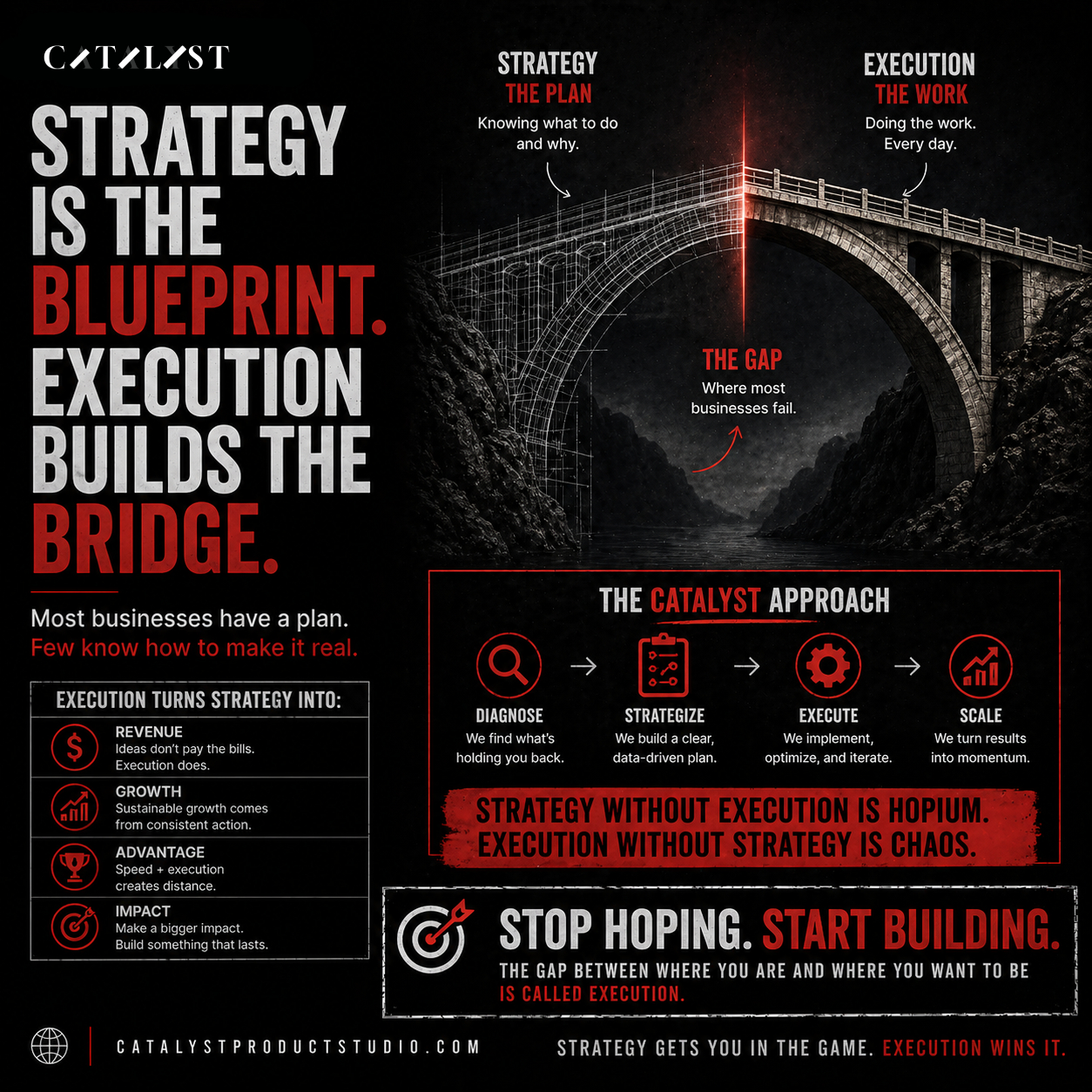
There’s nothing more aggravating to a marketer than a business that thinks product marketing is just about posting on social media, running random ads, or hoping people magically discover your product, just because it’s “awesome.” They don’t consider the metrics, select a target audience, or have a strategy for how to actually get in front of the right customers. They burn cash on just “doing things,” then think or say that marketing is bullshit. They miss the point that it’s about strategically creating demand, launching with precision, and turning attention into revenue. Screw this up, and even a great product will sit on the shelf collecting dust. Get it right, and you build momentum that competitors can’t keep up with. Here’s the ultimate guide to product marketing for startups and scale-ups that actually want to grow.
1. Define Your Ideal Customer Before You Spend a Dollar
Most startups try to sell to everyone—and end up selling to no one. If you don’t know exactly who your product is for, your messaging will be weak and your marketing budget will vanish fast.
How to Fix It: Build a clear customer profile that includes industry, role, pain points, budget, and buying triggers. Focus on the people most likely to pay, not just the ones who show interest.
Pro Tip: Write a one-sentence problem statement for your target customer. If you can’t explain their pain clearly, you’re not ready to market your product.
2. Build a Go-To-Market Strategy That’s Ruthlessly Focused
A launch without a plan is just noise. Your go-to-market strategy determines how you reach customers, how you position your product, and how fast you generate traction.
How to Fix It: Define your launch channels, pricing model, messaging, and sales process before going live. Choose a few channels you can dominate instead of spreading yourself thin.
Pro Tip: Start with one primary acquisition channel—like LinkedIn outreach, paid search, or partnerships—and scale only after it proves profitable.
3. Craft Messaging That Hits Pain, Not Features
Customers don’t buy features. They buy solutions to problems that cost them time, money, or sanity.
How to Fix It: Translate features into outcomes. Instead of saying “advanced analytics dashboard,” say “see exactly where you’re losing revenue and fix it fast.” Focus on results, not technical details.
Pro Tip: Use the formula:
Problem → Solution → Result
This structure keeps your messaging simple, clear, and persuasive.
4. Align Product, Sales, and Marketing From Day One
When teams operate in silos, launches fail. Marketing promises one thing, sales sells another, and the product delivers something else. That confusion kills trust and revenue.
How to Fix It: Hold joint planning sessions where product, marketing, and sales agree on positioning, pricing, and target customers. Everyone should be selling the same story.
Pro Tip: Create a shared launch checklist that includes messaging, pricing, training, and customer support readiness. Alignment prevents chaos.
5. Launch Fast, Then Optimize Relentlessly
Waiting for perfection is a losing strategy. Markets move fast, and competitors don’t wait for you to feel ready.
How to Fix It: Launch with a solid minimum viable campaign, collect feedback, and iterate quickly. Test headlines, pricing, landing pages, and offers until you find what converts.
Pro Tip: Track three core metrics after launch:
-
Customer acquisition cost (CAC)
-
Conversion rate
-
Revenue per customer
These numbers tell you exactly what to fix.
6. Build Demand Before You Scale Spend
Throwing money at ads without proven demand is one of the fastest ways to burn cash. You need traction before you invest heavily.
How to Fix It: Validate demand with small campaigns, pilot programs, or early adopters. Once you see consistent conversions, increase your marketing budget strategically.
Pro Tip: If your message converts organically, it will usually convert with paid traffic. Prove the concept first, then scale.
7. Create a Repeatable Growth Engine
One successful launch is good. A repeatable marketing system is better. Sustainable growth comes from processes, not luck.
How to Fix It: Document your best-performing campaigns, channels, and messaging. Turn them into standard operating procedures your team can repeat and improve.
Pro Tip: Treat marketing like a machine—optimize inputs, measure outputs, and keep refining performance. Consistency beats creativity alone.
Bottom Line
Product marketing isn’t about noise—it’s about precision. Know your customer, build a focused go-to-market strategy, align your teams, and optimize based on data. Do this consistently, and your product won’t just launch—it will grow, scale, and dominate its market.
Next Step: Review your current marketing efforts. Identify your strongest channel, sharpen your messaging, and double down on what drives revenue. Then build systems to repeat that success.