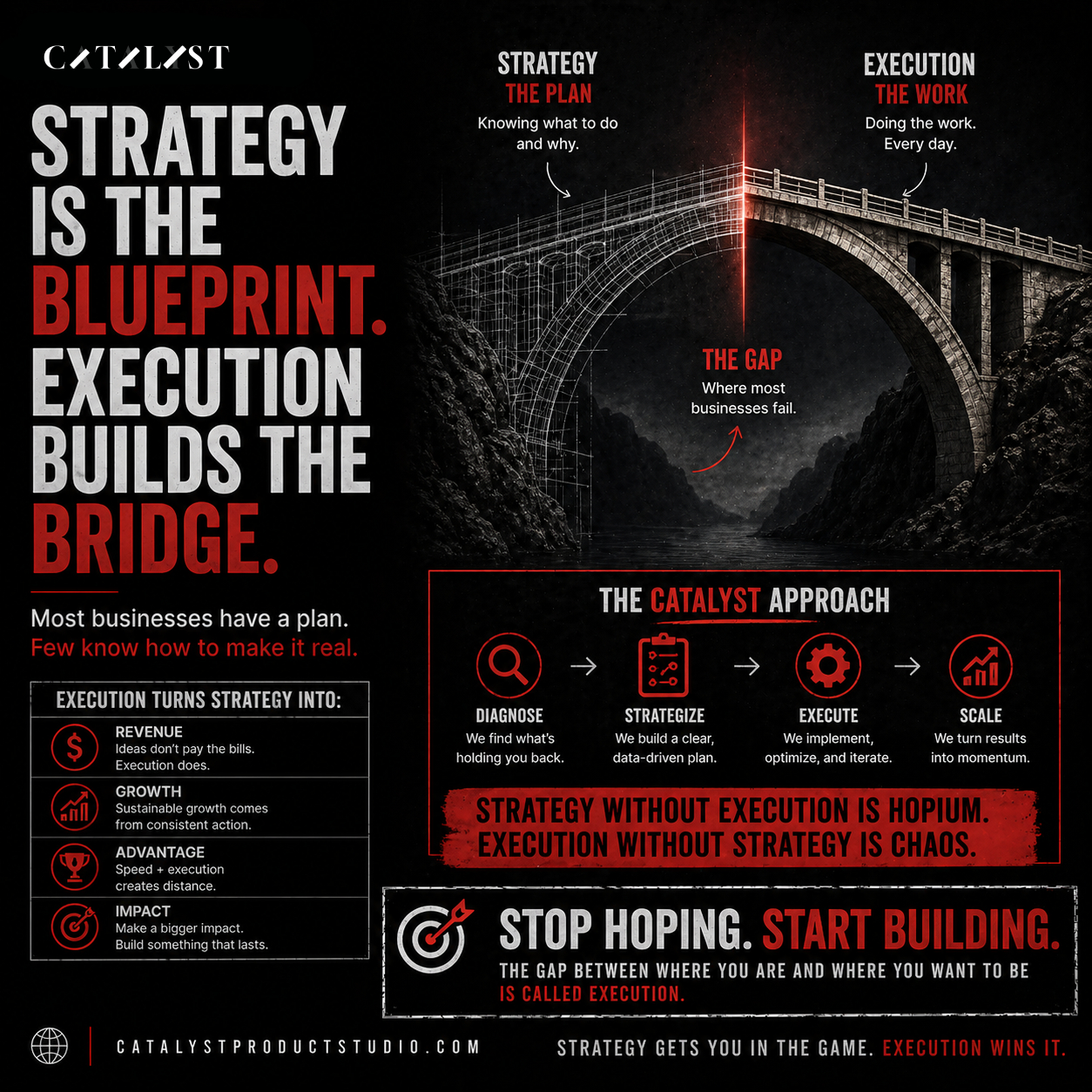
Let’s cut the nonsense. Turning an idea into a real product isn’t about brainstorming sessions, endless revisions, or waiting for the “perfect moment.” It’s about following a disciplined process that moves fast, reduces risk, and gets your product into customers’ hands before competitors beat you to market. Skip the structure, and you’ll burn time, money, and momentum. Follow a proven framework, and you turn raw ideas into revenue-generating products. Here’s the step-by-step product development framework that actually works.
1. Validate the Idea Before You Build Anything
Most product failures start here—teams build first and validate later. That’s backwards. If the market doesn’t want your product, nothing else matters.
How to Fix It: Confirm there’s real demand before investing resources. Talk to potential customers, study competitors, and identify the exact problem your product will solve.
Pro Tip: Ask customers one simple question:
“Would you pay for this solution today?”
If the answer isn’t clear, keep validating.
2. Define the Product Vision and Success Metrics
Without a clear vision, teams drift. Without metrics, they guess. Both are dangerous.
How to Fix It: Establish what success looks like—revenue targets, user adoption, retention rates, or market share. Align the entire team around these outcomes before development begins.
Pro Tip: Write a one-paragraph product vision statement that explains the problem, solution, and expected impact. Keep it visible to everyone involved.
3. Build a Practical Product Roadmap
A roadmap isn’t a wish list—it’s a prioritized plan that guides development and keeps teams focused on what matters most.
How to Fix It: Break your product into phases: core features first, enhancements later. Focus on delivering value quickly instead of trying to build everything at once.
Pro Tip: Limit your first release to the smallest set of features that solves the main problem. This keeps timelines tight and budgets under control.
4. Develop a Minimum Viable Product (MVP)
Your MVP is your first real test in the market. It proves whether your concept works before you scale investment.
How to Fix It: Build only the essential functionality needed to deliver value. Launch quickly, gather feedback, and refine based on real-world use.
Pro Tip: Speed matters more than perfection. A working product today beats a perfect product six months from now.
5. Test, Iterate, and Improve Continuously
Launching once and hoping for success isn’t a strategy. Continuous improvement is what separates successful products from failed ones.
How to Fix It: Collect user feedback, monitor usage data, and fix problems quickly. Adjust features, pricing, or messaging based on what customers actually do—not what you expect them to do.
Pro Tip: Schedule regular review cycles—weekly or monthly—to evaluate performance and prioritize improvements.
6. Prepare for Launch With a Coordinated Plan
A strong product can still fail if the launch is sloppy. Customers need clear messaging, support, and confidence in your product from day one.
How to Fix It: Coordinate marketing, sales, and operations before launch. Ensure your website, pricing, support systems, and training materials are ready.
Pro Tip: Run a “soft launch” with a small group of users first. Fix issues quietly before going public.
7. Manage the Product Lifecycle Strategically
Your product doesn’t stop evolving after launch. Markets change, competitors adapt, and customer expectations rise.
How to Fix It: Monitor performance across the entire product lifecycle—from introduction to growth, maturity, and eventual replacement. Plan updates and improvements proactively.
Pro Tip: Treat your product like a living system. Continuous updates keep it competitive and profitable.
Bottom Line
Ideas are cheap. Execution is everything. A structured product development framework reduces risk, accelerates launches, and turns concepts into profitable products. Follow the process, measure results, and keep improving. That’s how winning products are built.
Next Step: Review your current development process. Identify gaps, tighten timelines, and implement a clear framework that moves ideas from concept to launch faster and more efficiently.