Let’s cut the nonsense. Product development isn’t about endless meetings, complicated diagrams, or ideas that “sound good on paper.” It’s about building products that actually sell, scale, and dominate your market. Screw this up, and you’re wasting time, money, and your team’s sanity. Here are the biggest mistakes in product development—and exactly how to crush them before they wreck your launch.
1. Launching Without a Real Market Need
Too many entrepreneurs and teams fall in love with their own idea instead of what the market actually wants. You can spend months building a “perfect product,” only to discover nobody cares. That’s a disaster you don’t want.
How to Fix It: Talk to real customers. Not your friends, not your co-workers—people who would actually pay for your product. Validate the problem first, then design a solution. Conduct surveys, interviews, or small pilot tests to nail your market fit. If your product doesn’t solve a pain people actually feel, it’s dead on arrival.
Pro Tip: Create a problem-solution map before you even touch a line of code or sketch a feature. This is your sanity check and your shield against wasted effort.
2. Ignoring Data and Going Gut-Only
Gut instincts feel sexy, but they don’t grow revenue or improve retention. Product decisions based on assumptions alone are a fast track to failure. If you’re guessing, you’re losing.
How to Fix It: Start small experiments, track metrics like engagement, conversion, churn, and feature adoption. Let the numbers guide your roadmap. When you combine analytics with customer insights, you stop guessing and start winning.
Pro Tip: Use dashboards or simple tracking sheets to make sure the team sees results in real time. Data isn’t scary—it’s your weapon.
3. Overloading Features (Feature Creep Hell)
Adding every feature you can think of isn’t innovation—it’s confusion. Users hate complicated interfaces, and your team will burn out trying to deliver everything at once.
How to Fix It: Focus on a minimum viable product (MVP) that solves a core problem really well. Once you have traction, iterate and add features strategically. Kill anything that doesn’t directly improve user experience or move the business needle.
Pro Tip: Before building a feature, ask: “If we remove this tomorrow, would anyone care?” If the answer is yes, keep it; if no, drop it. Ruthless prioritization is how winners are made.
4. Poor Cross-Functional Communication
Your developers, designers, and marketers are not mind readers. When teams work in silos, you get delays, wasted work, and endless frustration. This is one of the most common mistakes in growing companies.
How to Fix It: Establish clear workflows, daily stand-ups, and shared project management tools. Make sure every team member knows the goals, deadlines, and dependencies. Communication isn’t optional—it’s mandatory.
Pro Tip: Create a “product heartbeat” report. Even one-page summaries of progress, blockers, and metrics keep everyone aligned and accountable.
5. Skipping Iteration & Testing
Build, ship, and pray? That’s not a strategy. Ignoring user feedback and iterative testing guarantees your product will flop.
How to Fix It: Test early, test often. Launch beta versions, collect feedback, observe behavior, and iterate quickly. Don’t wait until “everything is perfect”—it will never be perfect. Success comes from learning fast and adapting faster.
Pro Tip: Make feedback loops part of your culture. Reward teams for spotting problems and solving them before scaling.
6. Misaligning Strategy and Execution
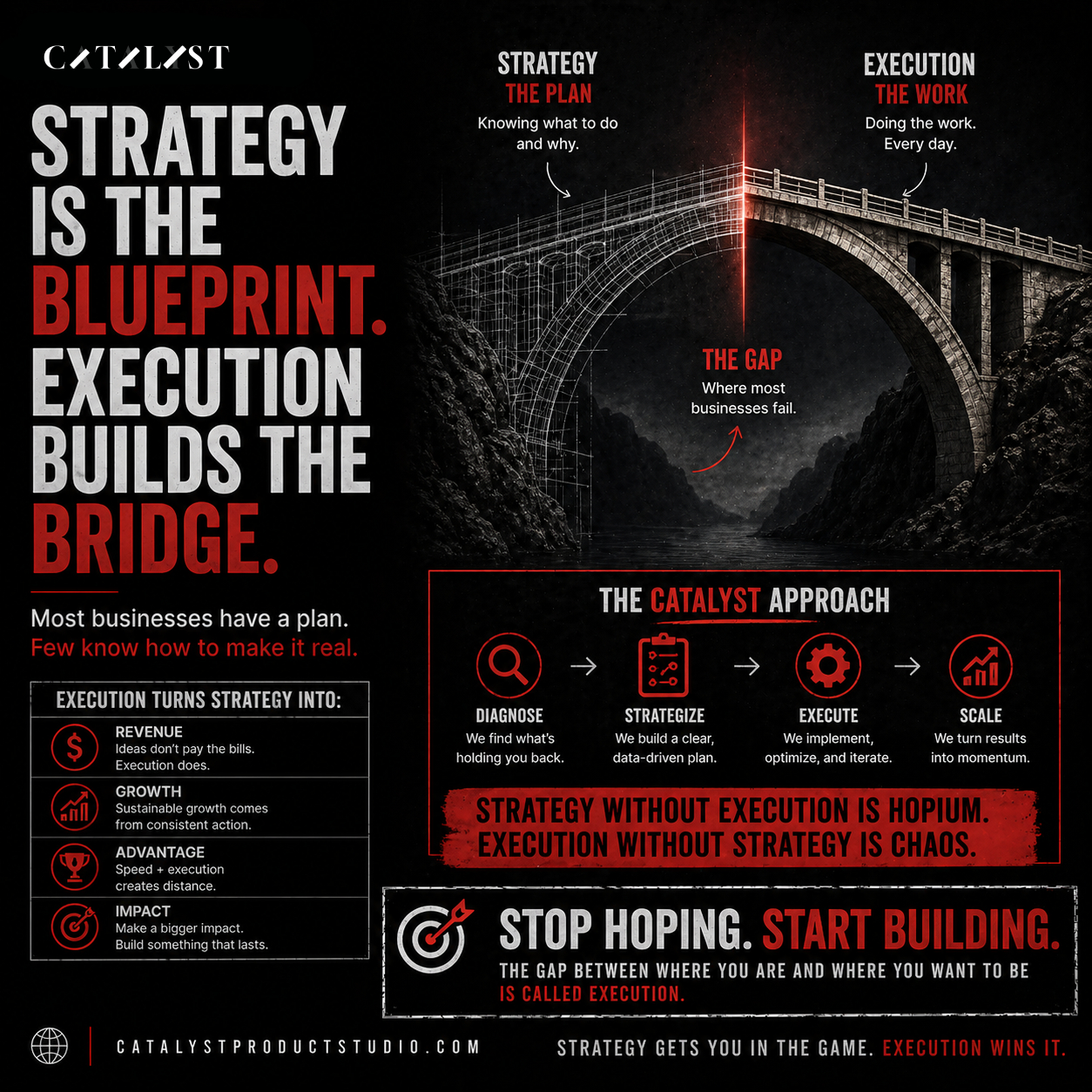
A product without a strategy is a shot in the dark. Features, launches, marketing, and sales all need to move in sync. Misalignment wastes time and confuses your customers.
How to Fix It: Tie every feature, release, and campaign to a clear product strategy. Ask yourself: “Does this move the needle for growth, retention, or revenue?” If the answer is no, scrap it or revise it.
Pro Tip: Map your roadmap to measurable goals. Every sprint, feature, and launch should contribute to a strategic outcome—not just fill a checklist.
Bottom Line
Stop guessing. Stop overcomplicating. Product development works when you know your market, measure everything, and ruthlessly focus on what matters. Nail these six mistakes, and you’re already ahead of most competitors.
Next Step: Audit your current product development process. Be brutal—find the mistakes. Fix them. Iterate. Launch. Win.